How to Understand the Structure of Zinc Composite Panels
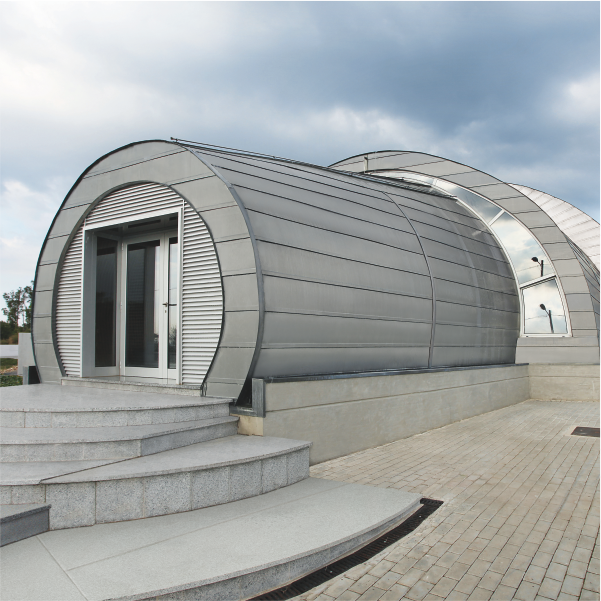
Zinc Composite Panels are typically composed of a zinc-based surface layer and a light-weight core and backing layer. The layered structure makes for a panel that is simpler to handle than many standard solid metal materials, but still having desirable degrees of strength and stability. Zinc Composite Panels on the outside surface gives the panel the unique look and protection of zinc. The inner structure adds to the performance of the whole panel.
Composite construction is essential because it enables manufacturers to blend a number of features into one building material. A panel has to be solid enough to be installed and used over time, yet too much weight might make a panel more difficult to carry and install. The composite technique provides a realistic trade-off between structural performance and weight control. Depending on the use to which the panels are to be put, they may have different thickness and composition. varying projects may demand varying mechanical performance, insulation, fire resistance or endurance in the environment. Thus, choosing a suitable panel specification is a vital element of the way to satisfying long-term outcomes.
Why Zinc Composite Panels Are Becoming Popular
In modern architecture there is a growing concern for a union of look and performance. Traditional facade materials may occasionally offer good durability, but may be limited in terms of weight, installation or design flexibility. Zinc Composite Panels is an option that may meet both functional and aesthetic needs. They also seem quite modern, another of their most obvious assets. Unique metallic quality of zinc may make the structures seem smart and polished. Depending on the surface treatment and design approach, panels may be used for minimalist structures, industrial-inspired buildings, contemporary commercial spaces and residential construction.
Weight is a major factor in today’s building. Heavy facade materials add to the structural requirements and make shipping and installation more complex. Zinc Composite Panels are a comparatively light-weight option that may ease handling and avoid some of the difficulties connected with typical heavier cladding materials. The panels are not made from a single block of zinc, but many layers. This means they may have useful stiffness without too much weight.
Their less weight might make them simpler to transport and place on a construction site for installation crews. Lightweight façade materials might be advantageous for rehabilitation projects as well. The choice of materials must be made with caution because of the limits of existing buildings to extra loads. A lighter cladding system may give an opportunity to enhance the outside look without imposing a considerable additional stress on the existing structure.
Comments