Custom Neon Lights: A Complete Guide to Personalized Lighting?
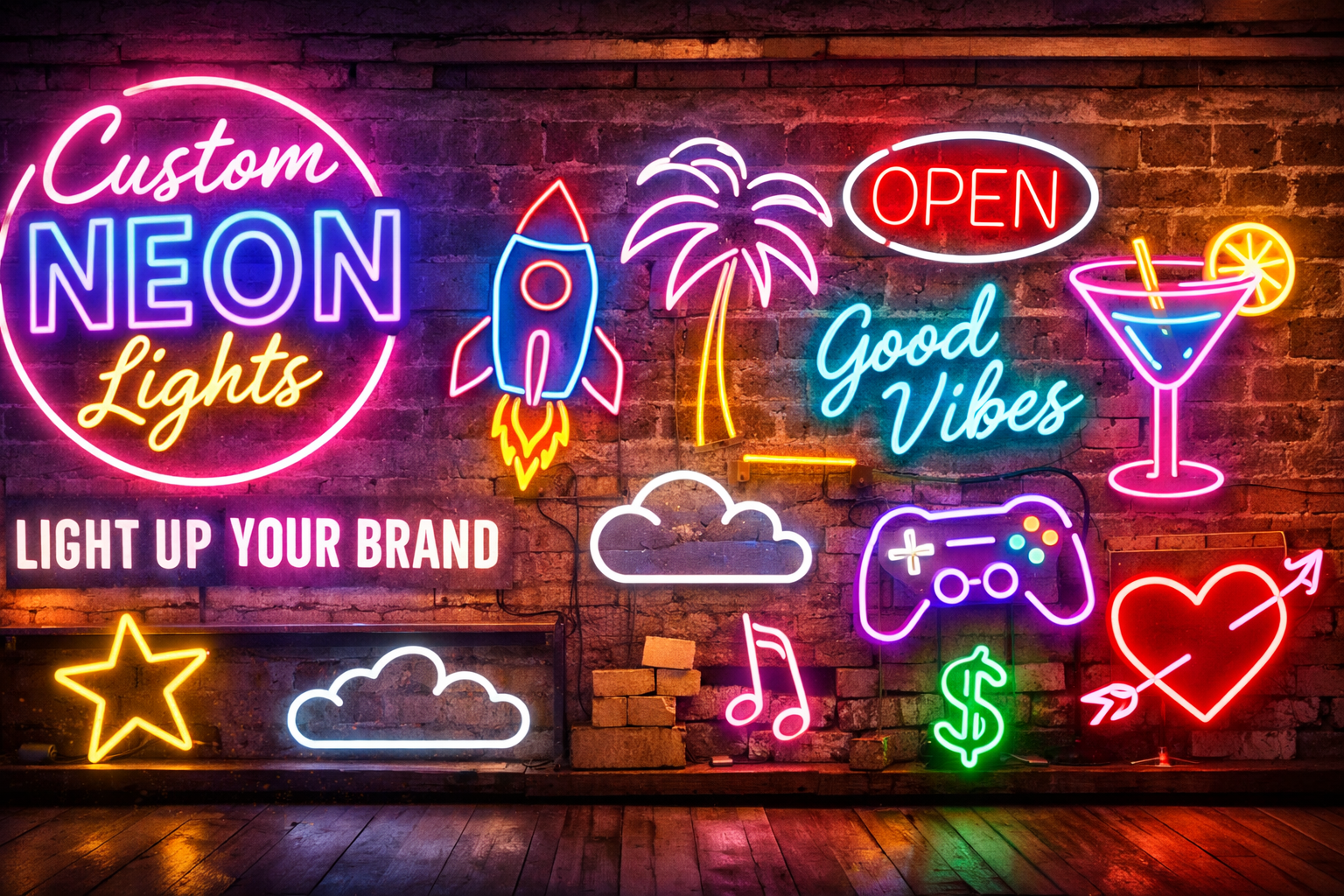
Lighting is an important part of how a space looks and feels. While conventional lighting is mainly used to illuminate a room, decorative lighting can also communicate personality, create atmosphere, and highlight specific areas. Personalised lighting takes this idea further by allowing the design itself to be created around an individual's preferences, a brand identity, or a particular occasion.
Custom neon lights have become a popular choice for people looking for a distinctive decorative feature. Unlike standard lamps or ready-made signs, personalised neon can be designed around names, words, logos, symbols, graphics, or short messages.
The applications are wide-ranging. A homeowner may use a personalised sign as part of an interior, while a business can incorporate its logo into a reception area or storefront. Events can also use customised designs to create memorable backgrounds.
Understanding the different aspects of personalised neon lighting can help you make a more informed decision before ordering or installing a sign.
What Are Custom Neon Lights?
Custom neon lights are decorative illuminated signs created according to a specific design rather than being selected from a fixed catalogue.
The design can often be adapted in terms of:
- Text
- Typography
- Shape
- Size
- Colour
- Symbols
- Logos
- Graphics
The exact options depend on the manufacturer and product type.
Modern personalised neon products commonly use LED-based technology to reproduce the appearance of traditional neon while offering flexibility for decorative applications.
This makes them suitable for both permanent installations and certain temporary uses.
How Personalized Neon Lighting Works
A typical LED neon sign uses illuminated LED components enclosed or mounted within a shaped material such as flexible tubing or a suitable backing structure.
The lighting follows the shape of the design, allowing letters and graphics to appear illuminated.
The final appearance depends on several factors, including:
- LED construction
- Sign dimensions
- Lettering style
- Colour
- Backing material
- Installation position
- Surrounding light
Because each component contributes to the finished result, the design should be considered as a complete visual composition rather than simply a collection of illuminated letters.
Why Choose Personalized Lighting?
One of the main advantages of personalised lighting is individuality.
A ready-made decorative sign may look attractive, but it may not have any connection with the space or the person using it.
A custom design can represent something specific.
For example, it could display:
- A family name
- A personal quote
- A business logo
- A brand name
- A couple's names
- A meaningful word
- A creative symbol
- An event message
This makes the lighting more relevant to its surroundings.
Choosing the Right Design
The design is the foundation of a successful neon sign.
Before selecting colours or dimensions, decide what you want the sign to communicate.
A simple design may have a stronger visual effect than one containing too many elements.
Consider whether the design should feel:
- Minimal
- Playful
- Elegant
- Modern
- Bold
- Professional
- Personal
The answer will depend on the intended location and audience.
A home bedroom and a retail storefront, for example, may require completely different design approaches.
Typography and Lettering
Typography plays a particularly important role when the design contains text.
A decorative script can create an elegant appearance, while bold lettering may provide greater visibility from a distance.
However, attractive typography should not come at the expense of readability.
Before finalising the design, check:
- Letter spacing
- Word length
- Font thickness
- Character clarity
- Overall proportions
- Reading distance
If the sign contains a business name, make sure the chosen style remains consistent with the company's existing visual identity.
Selecting the Right Colour
Colour influences how a neon sign interacts with its surroundings.
When choosing a colour, consider the wall, furniture, existing lighting, and overall interior design.
A strong colour can become a visual accent, while a softer tone may blend more naturally into a relaxed environment.
Businesses should also consider their established brand colours.
The objective is not simply to select the brightest option. The colour should support the purpose of the sign and work well with its surroundings.
Custom Neon Lights for Homes
Personalised neon can be used throughout residential interiors.
Bedroom
A name, initials, short phrase, or simple symbol can be used as a decorative feature.
Living Room
A statement design can become a focal point on a feature wall.
Home Office
A company logo, personal brand, or motivational phrase can add character to the workspace.
Entertainment Area
Gaming rooms, media rooms, and hobby spaces provide opportunities for more expressive designs.
Children's Rooms
A child's name or favourite symbol can create a personalised decorative feature.
The design should always be appropriate for the room's size and overall appearance.
Neon Lighting for Offices
Professional environments can use personalised lighting without making the space look informal.
A company logo can be displayed behind a reception desk, inside a meeting room, or in a common area.
In creative workplaces, a short phrase or artistic design may also complement the office environment.
The most important consideration is maintaining consistency with the company's identity.
The size, typography, and colour should work with the existing office design rather than appearing disconnected from it.
Neon Lights for Retail and Hospitality
Retail stores, cafés, restaurants, salons, studios, and similar businesses often place significant emphasis on visual presentation.
Neon Lights can contribute to that environment by highlighting specific areas or reinforcing the business identity.
Possible locations include:
- Store entrances
- Reception desks
- Feature walls
- Seating areas
- Counters
- Product displays
- Photo areas
The sign should be placed where it can be seen naturally without interfering with customer movement.
Using Neon at Events
Personalised lighting can also be useful for temporary events.
Weddings, engagement celebrations, birthdays, corporate functions, and private parties can use customised signs featuring names, dates, logos, or short messages.
A sign can be positioned behind:
- Main stages
- Head tables
- Photo booths
- Entrance areas
- Dessert tables
- Reception spaces
For temporary installations, transportation, storage, mounting, and power access should be considered before ordering.
Creating a Brand-Focused Sign
Businesses should approach custom neon as part of their wider branding.
A logo should remain recognisable when converted into an illuminated format.
Some detailed logos may need to be simplified for better visibility.
Before production, check how the design will look when illuminated and whether important elements remain clear.
A well-planned sign can become a consistent feature within the company's physical environment.
Choosing the Right Size
Dimensions should be determined by the installation area and viewing distance.
A sign designed for a small bedroom wall does not need the same dimensions as one intended for a shop entrance.
Measure the available space and consider nearby furniture.
Also account for:
- Wall width
- Ceiling height
- Viewing distance
- Furniture proportions
- Surrounding decorations
- Cable placement
Leaving sufficient space around the sign usually creates a cleaner appearance.
Understanding Backing and Materials
The visible neon is only one part of the finished product.
Depending on the design, a sign may include an acrylic backing or another mounting structure.
When comparing products, examine the construction and finish.
Important considerations can include:
- Backing quality
- LED components
- Wiring
- Connectors
- Power supply
- Mounting hardware
- Surface finish
These details can influence both appearance and long-term usability.
Installation Considerations
Installation should be planned before the sign arrives.
Determine where the sign will be positioned and where the power connection is located.
Cable routing should be considered carefully to avoid unnecessary visible wiring.
The mounting surface must also be appropriate for the selected installation method.
For larger signs, proper support is particularly important.
If professional installation is recommended by the manufacturer, follow that guidance rather than improvising the mounting process.
Power and Operating Requirements
Before purchasing Custom neon lights, check their electrical specifications.
Information may include:
- Input voltage
- Power consumption
- Adapter requirements
- Cable length
- Operating instructions
- Recommended usage conditions
This information is particularly useful when planning a permanent installation.
If the sign will operate for several hours every day, understanding its power requirements can also help with practical planning.
Maintenance and Cleaning
Neon signs require relatively simple routine care, but they should still be maintained properly.
Dust the visible surface with a suitable soft cloth.
Follow the manufacturer's instructions for cleaning and avoid exposing electrical components to excessive moisture.
Check visible cables and mounting points occasionally.
If you notice damaged wiring, unusual electrical behaviour, or physical damage, stop using the sign and arrange appropriate professional assistance.
What to Check Before Ordering
Before placing an order, review the complete product information.
A useful checklist includes:
- Final design
- Spelling
- Dimensions
- Font
- Colour
- Materials
- Power requirements
- Mounting method
- Installation requirements
- Warranty
- Delivery arrangements
- Customer support
If the manufacturer provides a design proof, examine it carefully before approving production.
This is particularly important for personalised names, logos, and messages.
Common Mistakes to Avoid
Choosing Based Only on Appearance
A sign may look attractive online but may not suit your actual space.
Ignoring Measurements
Always measure the installation area before confirming the size.
Using Excessive Text
Long messages can reduce readability and visual impact.
Forgetting the Power Source
Plan the electrical connection before installation.
Overlooking Construction Quality
Look beyond the illuminated design and examine the materials and components.
Selecting the Cheapest Option
Price should be considered alongside quality, warranty, support, and installation requirements.
How to Make Neon Part of the Interior
The strongest results usually come when the lighting is considered alongside the rest of the room.
For example, a neon sign can be combined with:
- Neutral wall colours
- Simple furniture
- Accent décor
- Shelving
- Artwork
- Indoor plants
- Comfortable seating
The goal is to create visual balance.
The neon should have enough surrounding space to remain noticeable without making the room feel crowded.
Final Thoughts
Custom neon lights provide a flexible way to personalise homes, offices, businesses, and event spaces. Their appeal comes from the ability to combine lighting with a specific message, identity, or design rather than relying on a standard decorative fixture.
At home, Neon Lights can add character to bedrooms, living rooms, home offices, entertainment areas, and children's spaces. In professional environments, personalised signs can reinforce a brand identity and create distinctive reception or customer areas. Events can use them to introduce names, dates, logos, and other meaningful details into the décor.
Choosing the right product requires more than selecting an attractive design. Consider the purpose, typography, colour, dimensions, viewing distance, construction, installation, power requirements, and maintenance needs before ordering.
A well-designed neon sign should complement its surroundings and remain practical for regular use. With careful planning and attention to quality, personalised lighting can become a distinctive feature that gives a space its own visual identity
Comments